0%
DIAGNOSIS BEFORE PRESCRIPTION
Most founders fix the wrong thing first. The diagnosis tells you what's actually blocking growth, and in what order to fix it.
Start with the diagnosisIf that's you: something real, real traction, and a gap you can feel in the numbers. You're exactly who this was built for.
We read the whole business from the outside, find what's actually blocking growth, and fix it in the right order.
A full pass of your business from the outside, the way your customer sees it. What it finds decides everything after.
For businesses with no real digital presence. The market finally knows you exist.
For businesses online but undiscoverable. You show up the moment they're looking.
For traffic that isn't turning into revenue. Visitors become customers.
For problems that don't fit a box. Scoped and priced off what the diagnosis finds.
What the diagnosis turns into.





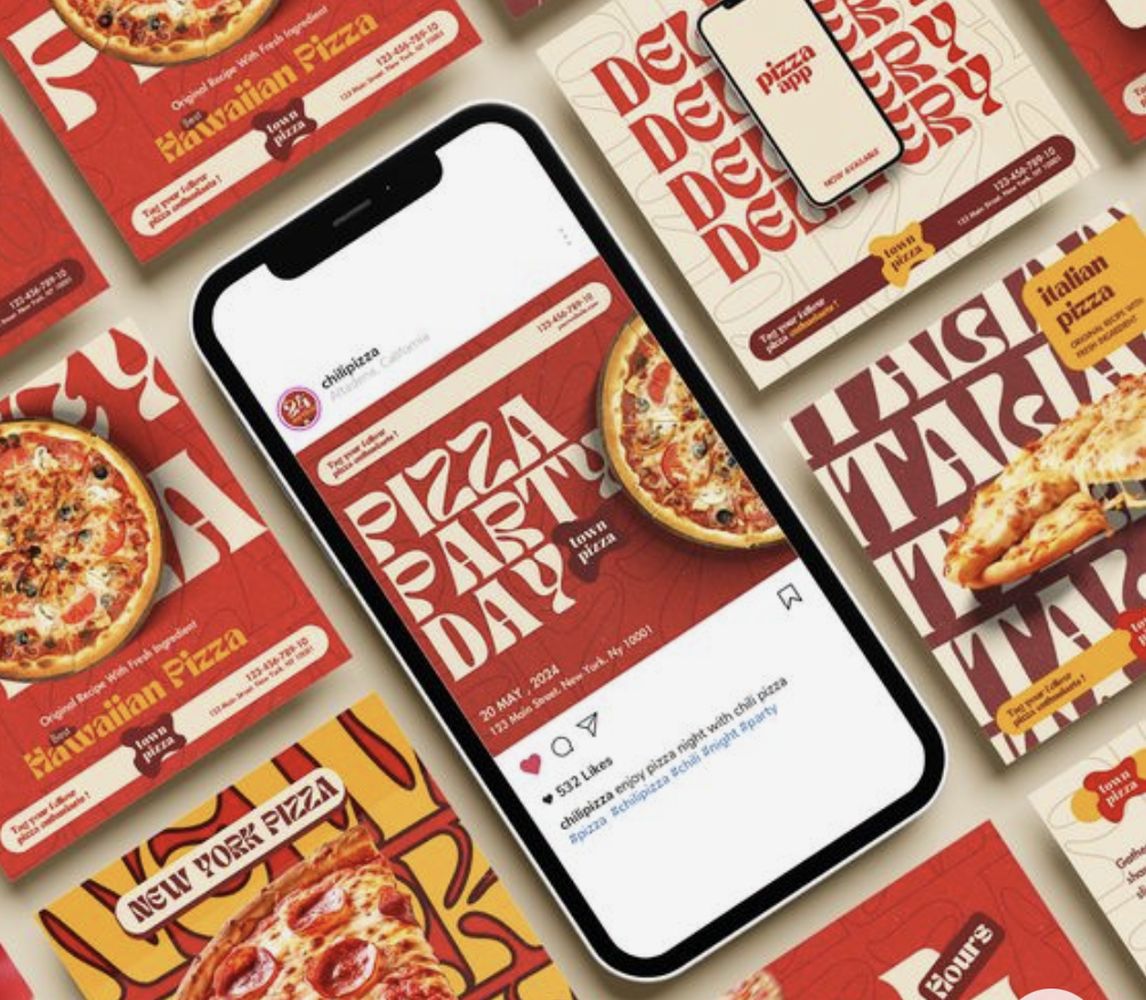





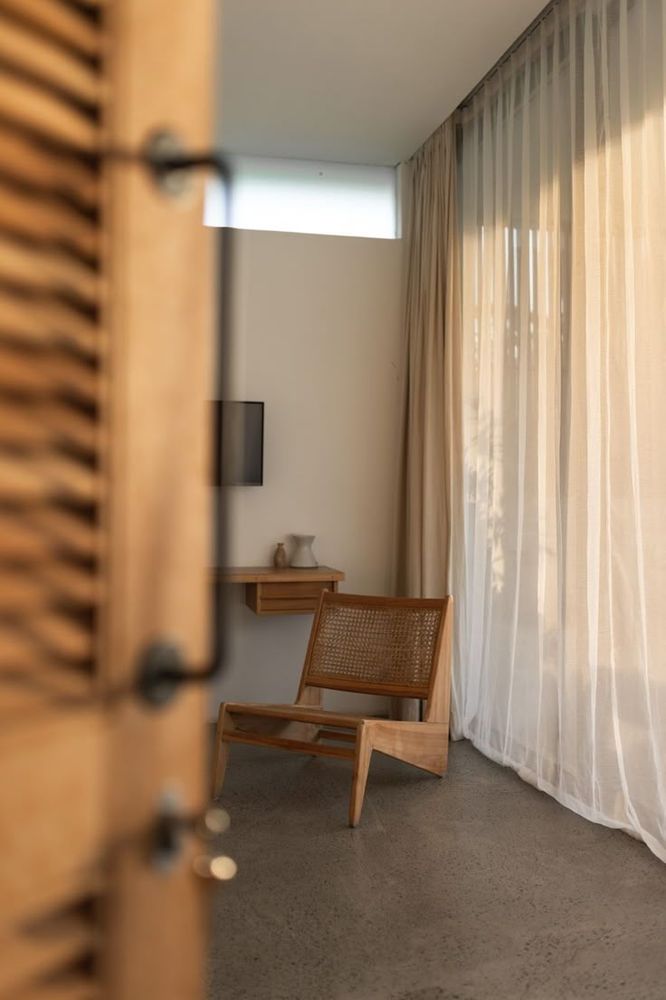


Held as one integrated lens, not eight separate line items.
The sequence. What to fix first, what to fix second, what to leave alone.
→What you stand for, said so the market gets it.
→Logo to full system. The look that scales with you.
→Content with a job to do, not just a calendar.
→Feeds run with intent. The engine behind the packages.
→Spend that follows the diagnosis, not the trend.
→Show up on the map the moment they search nearby.
→Built to be found, read, and bought from.
→

































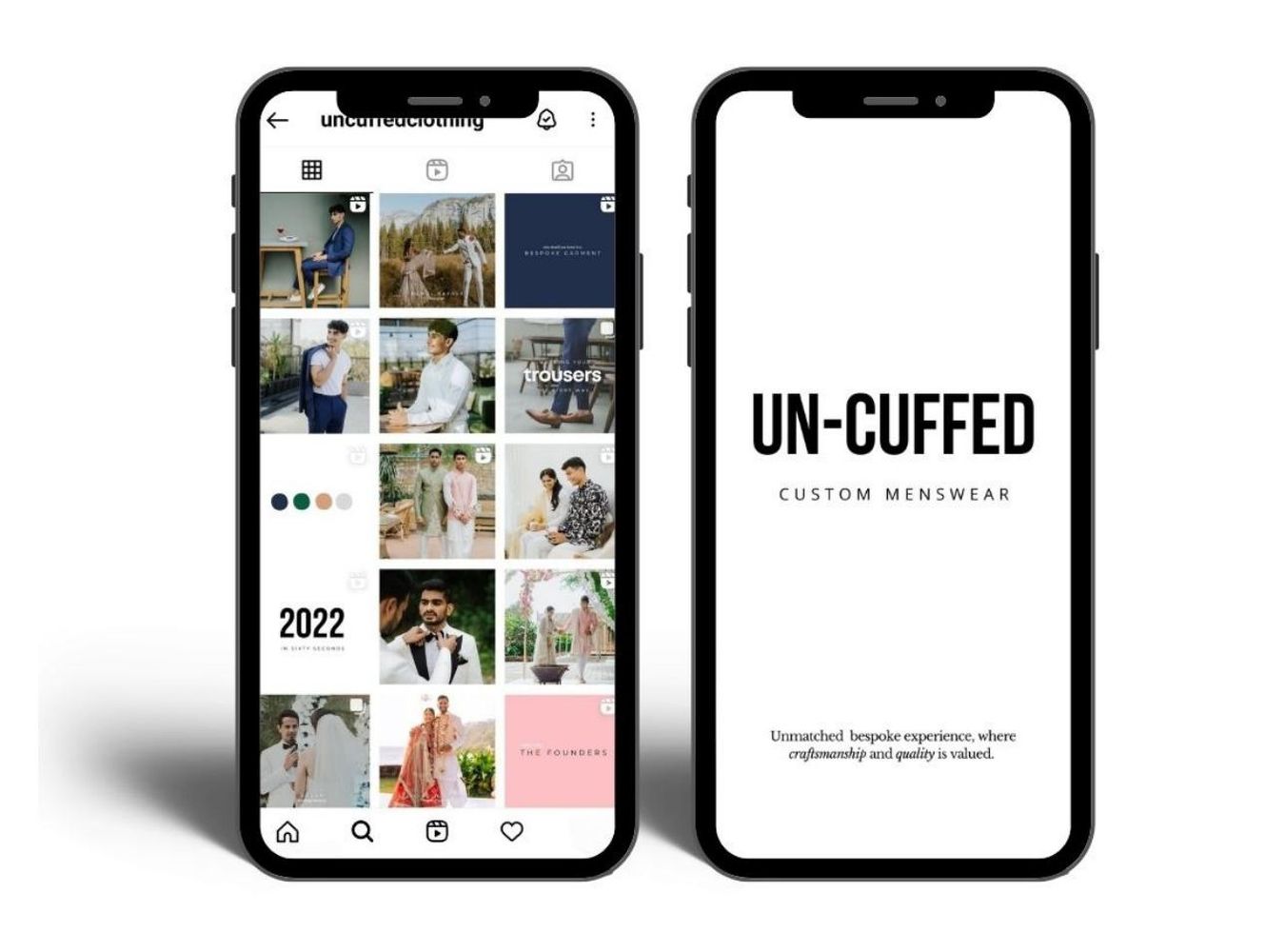
Before anything was built, we looked at Un-Cuffed the way a first-time customer would. What was findable, what was missing, and where attention was leaking.
Not the ad spend. A clear idea of who this was for, said in a way the market could repeat back.
Then the online store and content engine, so there was somewhere for demand to land.
Spend went on top of a foundation that could carry it, instead of paying to send people somewhere unfinished.
And last Diwali their problem wasn't growth. It was that they had to pause ads. They couldn't fulfil orders fast enough. That's what getting the foundation right looks like.
"I came to Anushka thinking I needed more content. She found the actual problem in a week: my Google listing was sending people to a competitor, and I'd been paying for ads on top of a leak. We fixed the order, not the volume. Three months later I was turning off ads because I couldn't keep up with covers."
"I'd spent two years and a lot of money on people who delivered exactly what I asked for, and none of it moved anything. Massé was the first to tell me I was asking for the wrong thing. She sequenced it, fixed the foundation first, then built on top. The difference showed up in revenue, not just in how things looked."
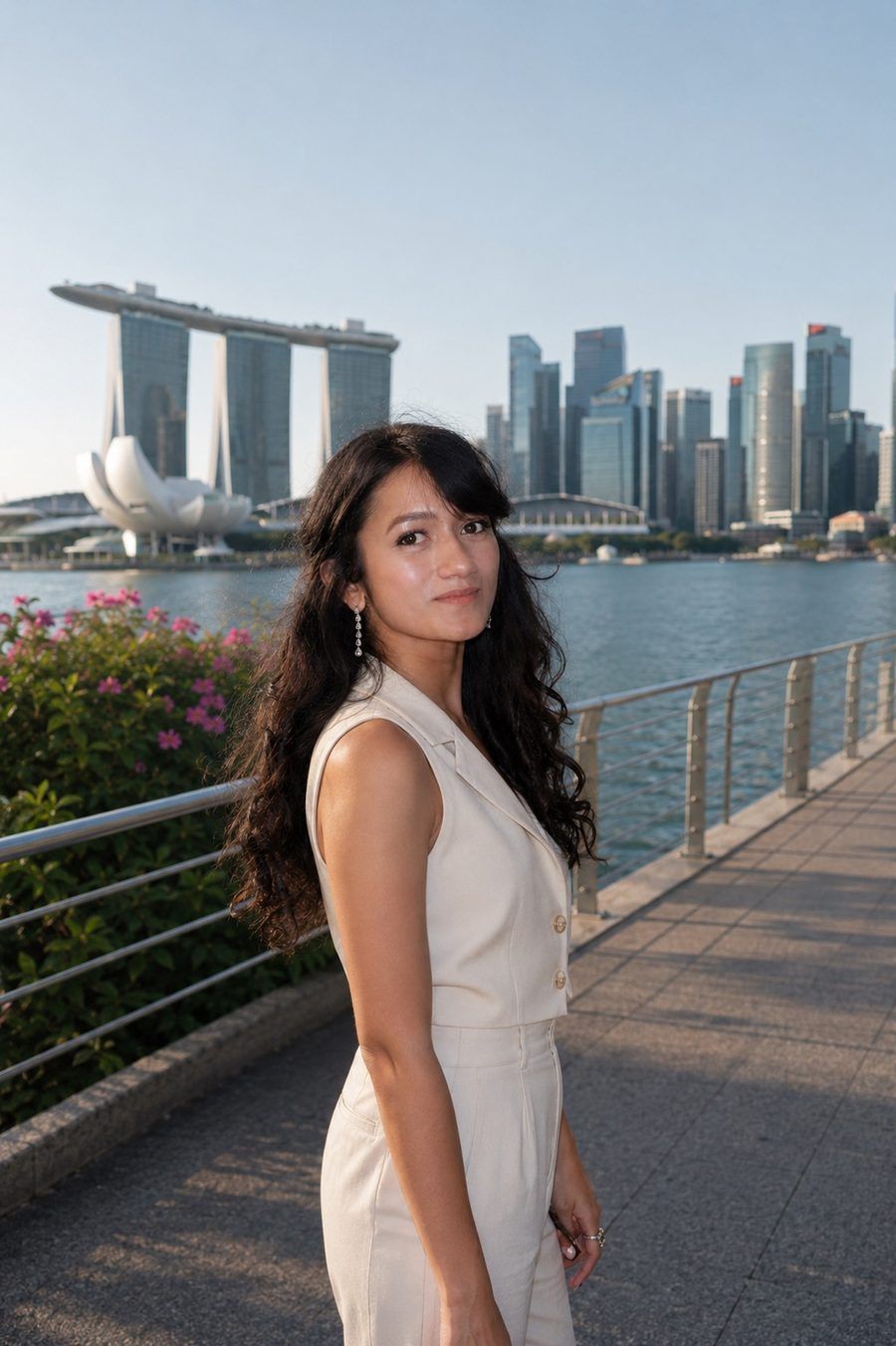
Massé wasn't built in a boardroom. Anushka built it through Covid, working with founders who couldn't afford to get it wrong. Whatever each business needed, at a price it could sustain, at the speed the moment demanded.
For seven years, every client arrived the same way: one founder telling another. This website exists because Massé is now in Singapore, where you might not know anyone we've worked with yet. Consider this the introduction.
The ones every founder asks before the first call, answered straight.
There's no rate card. A menu forces your problem into a preset box. The entry tiers are productised and fixed-scope; everything beyond them is priced off what the diagnosis finds. You pay for judgement, not a package.
No, and that's for your protection. We don't take a brief before a diagnosis, and retainers only unlock after the tier work. It's what stops you paying for the wrong fix.
Both. Brand clarity, positioning, visual identity, content. Design is our sharpest craft. Mode A: we do the work, embedded. Mode B: we direct your existing team.
Industry doesn't filter us. Stage does. If you're zero-to-seven years in with real traction and no brand infrastructure, the diagnosis applies. F&B, travel, hospitality, fashion, lifestyle, wellness so far. The problem is always the same.
Founder speed. Same-day thinking, real-time pivots. We're embedded enough to move with the business, not behind it. That's the difference between a partner and a vendor.